
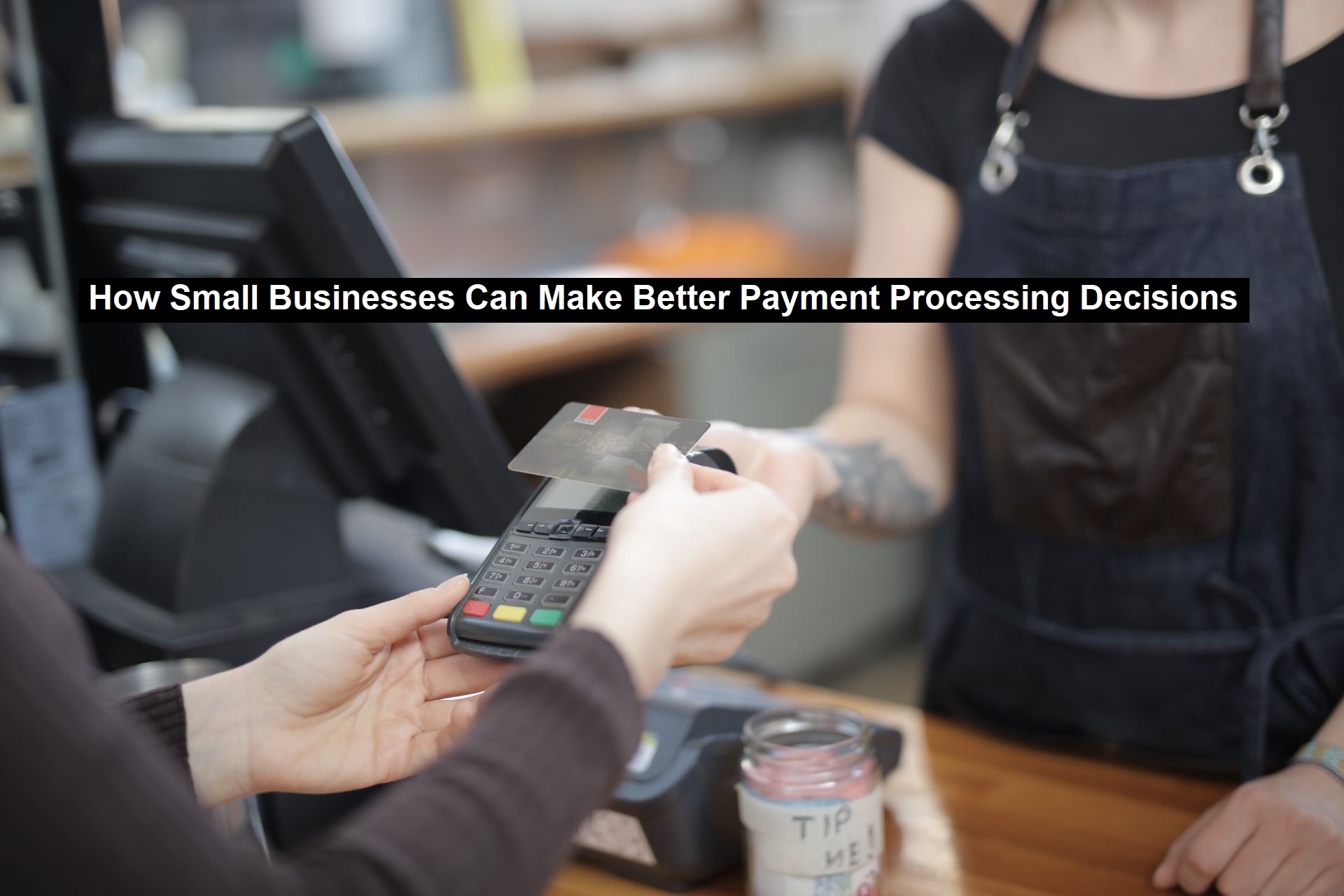
A customer reaches the checkout, presents a card, and expects the transaction to take a few seconds. For the business owner, that simple moment sits inside a larger financial decision: how much payment acceptance costs, how easily employees can manage it, and whether the setup suits the business.
Choosing a payment provider deserves the same attention as choosing accounting software or a key supplier. The right starting point is a clear picture of how the business operates.
Start With How Your Customers Buy
Before requesting quotes, write down where payments happen. A neighborhood shop may collect almost every payment at the counter. A service company might accept deposits remotely and collect the remaining balance after completing a job.
Next, consider the typical purchase amount and number of transactions. A business handling many small purchases has different priorities from one collecting a few large invoices each day.
This exercise also helps identify practical frustrations. Are customers waiting while employees enter payment details? Does someone spend hours matching receipts to invoices? Are owners unsure whom to contact when a payment fails?
A useful provider conversation begins with those problems.
Compare Costs Using the Same Business Scenario
A quoted percentage gives an incomplete picture of affordability. Ask each provider to explain what your business would pay under the same realistic sales assumptions.
For example, imagine a shop processing 500 transactions at an average of $40 each. Its monthly card volume would be $20,000. If one proposal includes a per-transaction charge, calculate that charge across all 500 transactions before comparing the total.
Keep equipment and software costs visible as well. A payment arrangement that looks inexpensive initially may become less attractive when ongoing subscriptions or replacement hardware enter the calculation.
A simple comparison sheet can help. Record each cost, whether it is recurring, and the circumstances that trigger it. Leave unknown items marked as questions rather than treating them as zero.
Read: Cloud Computing Trends That Are Reshaping Enterprises
Evaluate Providers by Their Relevance to Your Business
A provider should be able to explain its services in terms your team understands.
AMP Payment Systems is a merchant services business offering payment processing and point-of-sale solutions. Its website describes support for businesses evaluating their payment setup, processing costs, and system requirements.
When considering AMP Payment Systems or another provider, bring specific examples of your current challenges. Ask how the proposed arrangement would handle those situations and what your employees would need to do differently.
The quality of that explanation can be as useful as the initial quote.
Include Employees in the Decision
Owners often focus on financial terms, while employees notice the daily friction. Someone who works the checkout may know that a particular screen confuses customers or that receipt handling slows down busy periods.
Invite the people who will use the system to participate in a demonstration. Have them complete a typical sale and explain anything that feels unclear.
Also involve whoever handles bookkeeping. A system that makes checkout easier but creates extra administrative work may simply move the problem elsewhere.
Set a Review Date After Implementation
Choosing a provider should be followed by a practical review. After the team has used the new arrangement for several weeks, compare expectations with experience.
Look at actual expenses, recurring staff questions, customer feedback, and the time spent on administration. Keep a short record of issues and whether they were resolved. Payment processing is an ongoing operating expense. Treating it as a business process—with clear requirements, comparable proposals, and periodic review—helps owners make decisions they can explain and maintain.