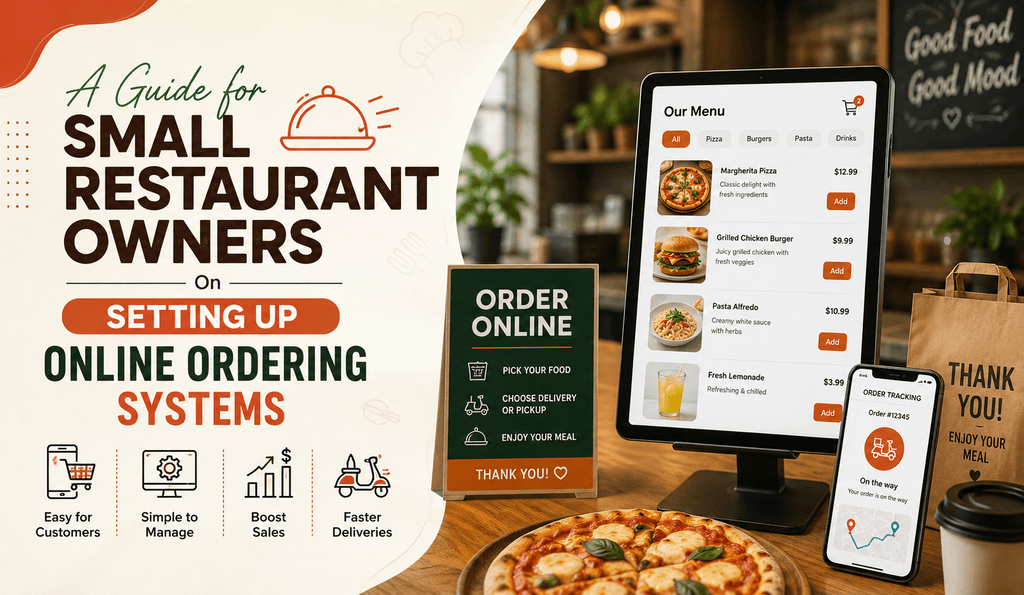
It is irrefutable that managing a small-scale restaurant is a difficult task. You have to perform many roles such as a chef, a manager, a server, and a receptionist. As a result you can literally spend your entire day on the phone; first to handle your orders and then to communicate with your staff. A restaurant online ordering system is connected directly to your mobile app or website. It provides an option to customers to place orders without any need of calling you.
Most people do not start their career with the expectation of managing a restaurant and developing software. People start restaurants to provide good food and good service, not to manage subscriptions and figure out the best apps to use. You may not like it but the food ordering habits of your customers are changing. Even the most independent and old fashioned of customers are starting to expect phone apps to be integrated with their orders. If your restaurant relies solely on phone orders and walk-in customers, you are definitely losing customers to restaurants that provide a more modern interface.
This guide is designed to provide you with basic, non-technical, information about what an online ordering app for restaurants does, which systems you should consider, and why these systems are good additions for your restaurant.
Read: FL Studio Editions Explained: How to Choose the Right Version for Your Music
What Is a Restaurant Online Ordering System?
An online ordering system for restaurants digitizes food ordering. Customers can choose food delivery or food to be picked up. The order is sent to the kitchen via a kitchen display system or an order printer.
An online ordering system sells food 24/7. There is no need for a food ordering miscommunication via phone.
The ordering system generally has two parts. One system is the web page dedicated to the online ordering. Some restaurant owners make use of web panel and mobile app systems, while others use just the web panel and later start using the mobile app.
Reasons Why Online Ordering is Best for Small Restaurants
A few years ago, the primary method to interact with customers was through phone calls. The norms have changed. People expect to be able to order food from their mobile devices the same way they order car rides or perform bank transactions.
Here are some reasons why small restaurant owners are adopting online ordering.
If calls aren’t answered, customers will eat at a competing restaurant. Staff members are too busy cooking during meal time to answer the telephone. It is common for restaurants to lose multiple orders to competing restaurants during busy meal times.
Most delivery apps take a significant portion of each sale. App delivery systems typically charge restaurants 15%-30% of each order. A system to sell food directly from your website typically requires a monthly subscription instead of being charged a percentage of each transaction.
Less Opportunity for Mistakes
If customers type out their own orders, there’s less opportunity for error since orders go straight to the kitchen as typed and there’s no way to mishear “no onions” as “extra onions.”
Less Friction Leads to More Orders
Customers are more likely to add a drink or dessert to their order if they are provided a simple screen that includes images and a list of purchase options to order from, versus ordering over the phone.
Important Features to Consider
There is no need for online ordering systems to be overly difficult. However, certain advanced features provide a marked difference for small restaurants.
Notifications that actually notify. One missed or delayed notification means the end of the customer. You need to choose an online ordering system with a sound alerts option.
Mobile-friendly checkout. The majority of customers will check out using their phone. If the mobile checkout is slow, the checkout process will not complete.
Some support for pickup and delivery. If you don’t deliver yet, having delivery support means you will not have to rebuild things later.
Reports you can read. You should have access to know your best-selling dish and your busiest hour and not have to sift through a meaningless report.
Summary
Fewer complaint calls. More orders placed on their own. And none of it requires your staff to push the online ordering system for restaurants. That’s what this adds up to. Start with essential things. You can observe changes on the page and accordingly modify the ordering experience. Only do extras like the app when there’s demand for it. Don’t worry that other nearby competitors have ordering apps. Your customers will like speed and minimal mistakes over the other features of your ordering page. The goal of the ordering page is to have an easy and functional experience for your customers and staff. A confusing page for kitchen staff and long wait times for customers means you’ve lost significant ground before you even started. Wait with the advanced features like loyalty programs for when the essential ordering processes have been completed.